





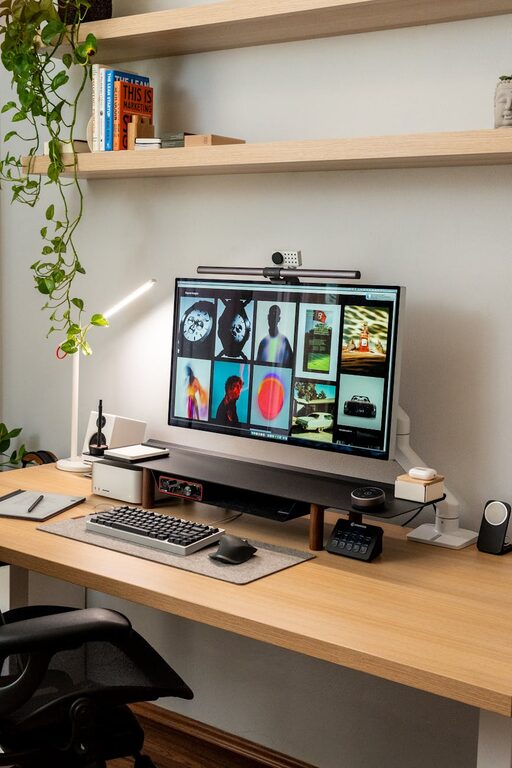
Creating a relaxing home workspace is key to maintaining productivity and reducing stress, especially as more people work remotely or spend considerable time at home. A well-designed workspace can help you focus, feel comfortable, and stay motivated throughout the day. This post offers practical tips to transform your home office into a calming yet efficient environment.
Why a Relaxing Workspace Matters
Working from home offers flexibility, but it can also bring distractions and discomfort. A space that feels peaceful supports concentration and creativity. When you feel at ease, your brain can focus better, leading to higher productivity and improved work quality.
Assess Your Current Workspace
Before making changes, take a moment to evaluate your existing setup. Ask yourself:
– Is my space cluttered or organized?
– Do I have enough natural light?
– Am I comfortable sitting for long periods?
– What distractions commonly occur here?
Answers to these questions will guide your improvements.
Choose the Right Location
If possible, select a quiet area in your home for your workspace. Some considerations:
– Away from high-traffic zones
– Near a window for natural light
– Sufficient space to accommodate work materials
– Close to power outlets for electronics
Having a dedicated area signals your mind that it’s time to work.
Optimize Lighting
Lighting impacts both mood and focus.
Use Natural Light
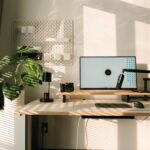
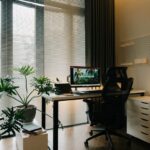
Natural sunlight helps reduce eye strain and boost energy. Position your desk near a window but avoid glare directly on your screen.
Add Soft, Adjustable Lighting
For cloudy days or evening work, use a desk lamp with adjustable brightness and warmth. Avoid harsh overhead lights that can cause headaches.
Invest in Comfortable Furniture
Your chair and desk should support good posture and comfort.
– Choose an ergonomic chair with adjustable height and lumbar support.
– Use a desk that fits your work needs — consider a standing desk or one with adjustable height if possible.
– Keep frequently used items within easy reach.
Comfort reduces physical fatigue and helps you stay focused longer.
Keep the Space Organized
A clutter-free workspace encourages a clear mind.
– Use organizers, trays, or drawers to store items neatly.
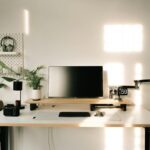
– Keep only essentials on your desk.
– Regularly tidy up at the end of each day to maintain order.
An organized environment helps prevent distractions and saves time when searching for supplies.
Personalize with Calming Elements
Adding personal touches can make your space feel inviting and peaceful.
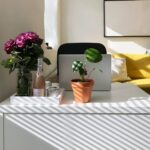
– Incorporate plants for a touch of nature and cleaner air.
– Hang artwork or photos that inspire or relax you.
– Use soothing colors, such as soft blues, greens, or neutrals.
– Consider a small water feature or aromatherapy diffuser with calming scents like lavender.
These details can help reduce stress and boost your mood.
Manage Noise Levels
Noise can be a major distraction when working from home.
– Use noise-canceling headphones or white noise machines if needed.
– Play soft background music or nature sounds to create a relaxing atmosphere.
– Close doors or use rugs and curtains to reduce echo and absorb sound.
Minimizing disruptive noises will help keep you focused.
Establish a Daily Routine
Your workspace is more than just furniture; it’s part of your work habits.
– Start your day by tidying your desk.
– Schedule regular breaks to stretch and rest your eyes.
– End your workday by shutting down your computer and clearing your workspace.
Creating routines around your environment reinforces a productive mindset.
Limit Digital Clutter
Technology is essential but can also overwhelm.
– Close unnecessary browser tabs and apps during work.
– Use tools to block distracting websites when needed.
– Keep your desktop background simple and organized.
– Regularly clear your email inbox.
Digitally decluttering helps reduce mental clutter and allows you to focus.
Incorporate Movement and Comfort
Sitting for hours isn’t ideal.
– Use a standing mat if you use a sit-stand desk.
– Take short stretch breaks every hour.
– Consider desk accessories like a footrest.
Physical comfort supports your concentration and wellbeing.
Final Thoughts
Designing a relaxing home workspace doesn’t require a big budget, just thoughtful choices. A space that feels comfortable, organized, and calm can make your workday more enjoyable and productive. Experiment with these tips to create a place where you can focus, create, and thrive every day.