







Creating a relaxing home environment is essential for maintaining your well-being. Your living space should function as a sanctuary where you can unwind, reduce stress, and recharge your energy. Whether you live in a small apartment or a spacious house, there are simple and effective ways to make your home a peaceful retreat.
In this post, we’ll explore practical tips and ideas to help you design a calm and inviting atmosphere at home.
Why a Relaxing Home Environment Matters
A comfortable and calming home environment has a direct impact on your mental and emotional health. When your surroundings promote relaxation, you’re more likely to sleep better, focus more clearly, and feel less stressed overall. Your home should support these benefits by limiting distractions and encouraging comfort.
Now, let’s jump into some actionable tips to create a home space that nurtures your well-being.
1. Choose Calming Colors and Lighting
Use Soft, Neutral Tones
Colors influence our mood in powerful ways. Soft neutrals like beige, light gray, pale blue, or gentle green are known to have calming effects. These shades provide a restful background that won’t overwhelm your senses. Try painting your walls in these colors or use them in your furniture and decor.
Opt for Warm, Adjustable Lighting
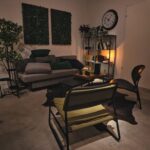
Avoid harsh overhead lights that can feel uninviting. Instead, use warm bulbs, lamps, and dimmers to control brightness levels based on your needs. Natural light is also a great mood booster, so keep your windows uncovered when possible to let sunlight in.
2. Declutter and Organize Your Space
A cluttered home can lead to a cluttered mind. Keeping your spaces tidy and organized helps reduce anxiety and create a more peaceful vibe.
– Declutter regularly: Remove items you no longer use or need.
– Invest in storage solutions: Use baskets, shelves, and boxes to keep things out of sight but accessible.
– Create dedicated zones: Assign specific areas for work, relaxation, and hobbies to maintain order.
3. Incorporate Comfortable Furniture and Textiles
Comfort is key in a relaxation-focused home. Choosing the right furniture and textiles can make your space inviting.
– Choose cozy seating: Sofas and chairs with soft cushions invite you to relax.
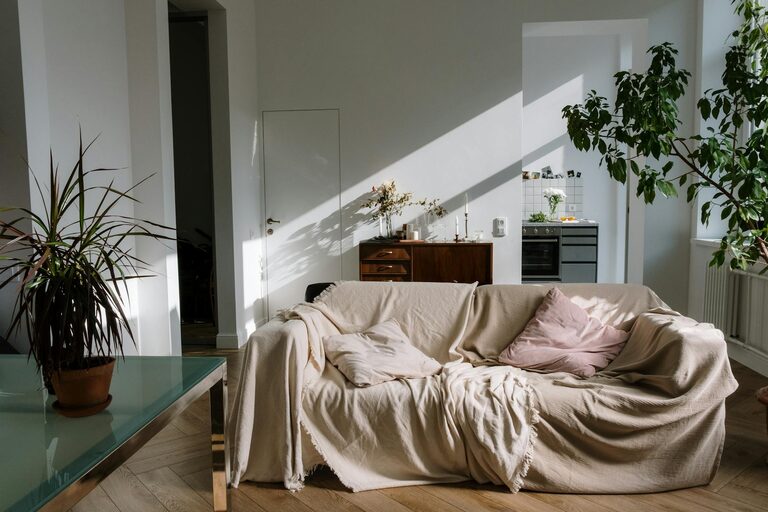
– Add layered textiles: Rugs, throws, and pillows with soft textures add warmth.
– Use natural materials: Cotton, wool, and linen textiles breathe better and feel softer against the skin.
4. Bring Nature Indoors
Elements of nature help create a soothing atmosphere and improve air quality.
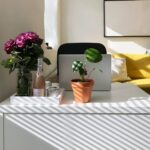
– Add houseplants: Plants like snake plants, pothos, and peace lilies are low-maintenance and boost indoor air quality.
– Use natural wood and stone: Furniture or decor made from natural materials adds warmth and earthiness.
– Display natural items: Seashells, stones, or dried flowers can serve as simple décor pieces that remind you of the outdoors.
5. Create a Technology-Free Relaxation Zone
Screens and constant notifications can increase stress. Designate one area in your home as a technology-free zone.
– Make this spot cozy with cushions and blankets.
– Use it for reading, meditation, or simply unwinding.
– Avoid bringing phones, computers, or televisions into this space.
6. Use Aromatherapy and Soothing Sounds
Scent and sound play important roles in relaxation.
– Essential oils like lavender, chamomile, or eucalyptus can help calm the mind. Use a diffuser or scented candles.
– Play gentle background sounds such as nature recordings, soft instrumental music, or white noise to mask distractions and create a peaceful environment.
7. Personalize Your Space with Meaningful Items
Surround yourself with objects that bring you joy or peace.
– Family photos, inspiring books, or artwork can lift your spirits.
– Avoid overcrowding surfaces; select a few meaningful pieces instead.
– Rotate items occasionally to keep the space feeling fresh.
8. Maintain Cleanliness and Fresh Air
Clean spaces contribute to mental clarity and comfort.
– Regular cleaning reduces allergens and dust.
– Open windows daily when weather permits to improve air circulation.
– Consider an air purifier if you live in a polluted area.
9. Pay Attention to Your Bedroom
Your bedroom is where your body truly recharges. Make it a restful haven.
– Invest in quality bedding.
– Keep the room cool and dark.
– Use blackout curtains if needed.
– Limit electronics near your bed.
Final Thoughts
Designing a relaxing home environment doesn’t require a big budget or a full renovation. Small, thoughtful changes can make a big difference in how your space feels and how you feel within it. Focus on creating a calm atmosphere through color, comfort, organization, nature, and mindful use of technology.
By turning your home into a peaceful sanctuary, you support your overall well-being and create a space where you can truly relax and recharge every day.
—
Feel free to share your own tips or experiences in the comments below! What steps have you taken to make your home more relaxing?